


Contraception
Contraceptive vaginal ring
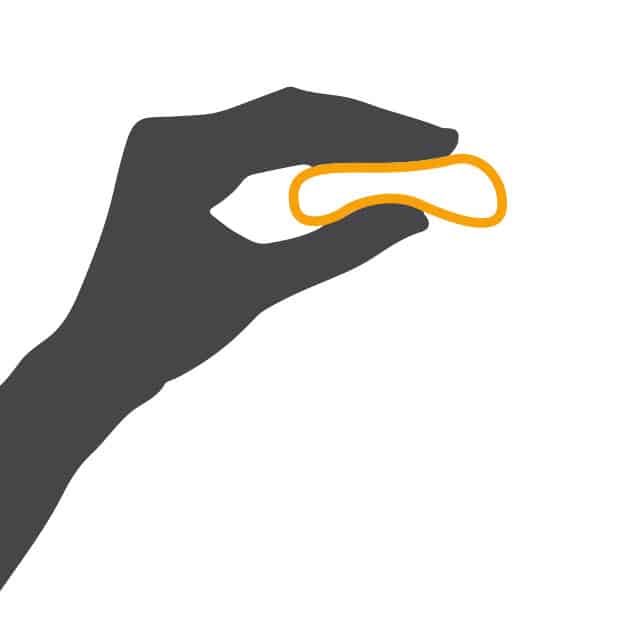
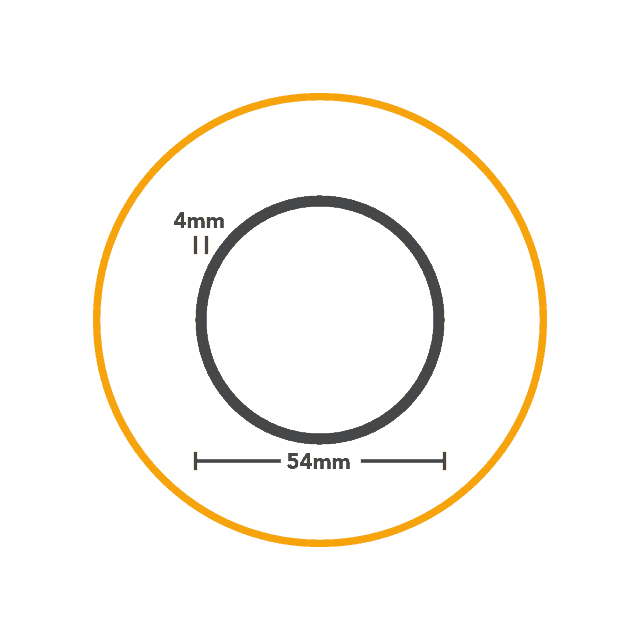
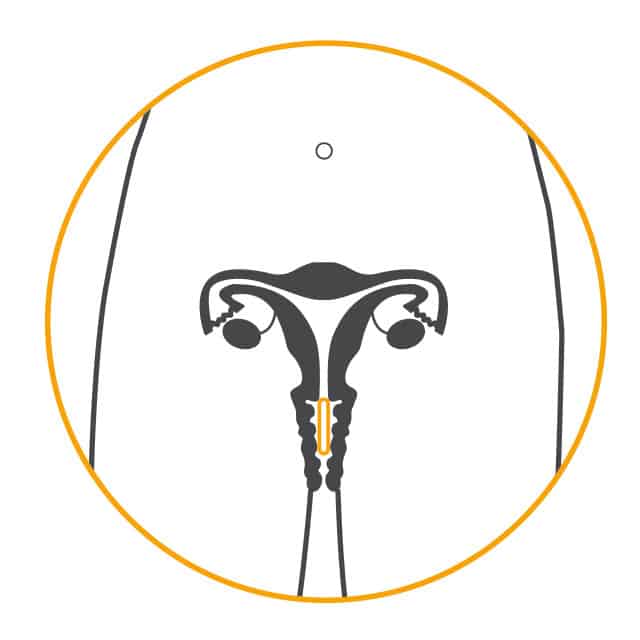
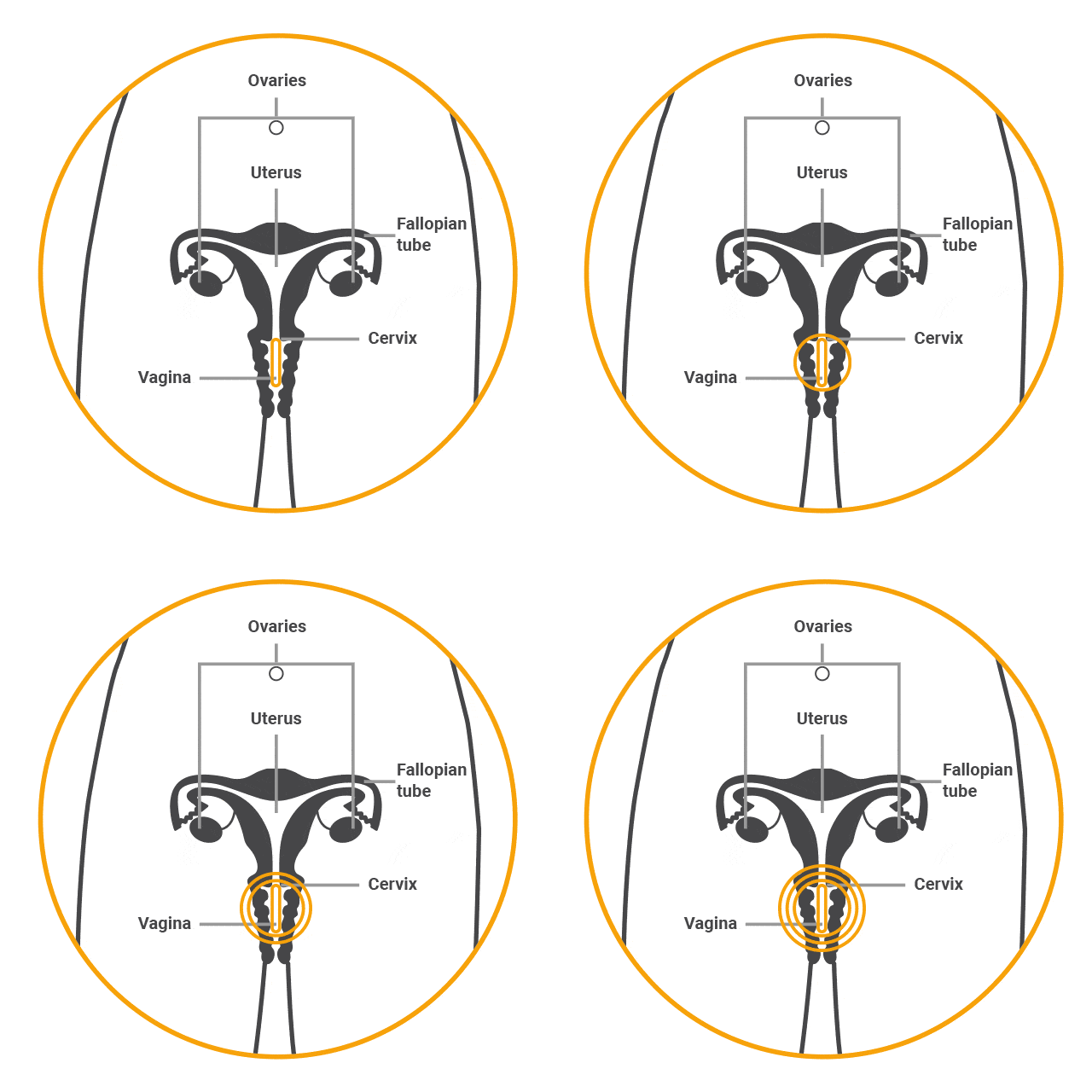
The contraceptive vaginal ring is a soft, plastic ring which you insert into the vagina by yourself.
It releases the same hormones as the combined pill and patch. The ring is inserted into the vagina and left in continuously for 21 days. You then remove the ring and throw it away, then you can have a seven-day break when you don’t have a ring in place and you have a “withdrawal bleed”. As long as you inserted the ring correctly you will be protected against pregnancy during this week.
Here are some key facts:
- It protects against pregnancy but not sexually transmitted infections (STIs). To protect against STIs you will also need to use a barrier method of contraception such as condoms
- It is typically 91% effective if taken correctly
- It can help if your periods are heavy or painful
- It can help premenstrual symptoms (PMS)
- It can help with acne
- There are things that can affect how effective it is (such as other medications)
- Occasionally some people experience hormonal side effects with hormonal contraception, for most people these will settle after three months of use but seek advice if you are concerned
Contraceptives are available for free from Umbrella clinics, and your GP can prescribe contraceptives. For advice about missed or late changes of vaginal rings, please see the contraception FAQs.
Not sure which type of contraception is right for you? Worried because you’ve had sex without a condom? Let us help you choose the right option.
For detailed information on the contraceptive ring, please see the NHS website.
See the FPA website for a range of downloadable leaflets on contraception.
Other short-acting methods
FREE STI kit
Take your own samples at home and return
them to us for testing, all for free…
Service locator
Need more help? Find local GPs, clinics and pharmacies to
provide further help and support…
Free condoms
Condoms are available for free from Umbrella
clinics and pharmacies, and from some GPs.