


Contraception
Contraceptive patch
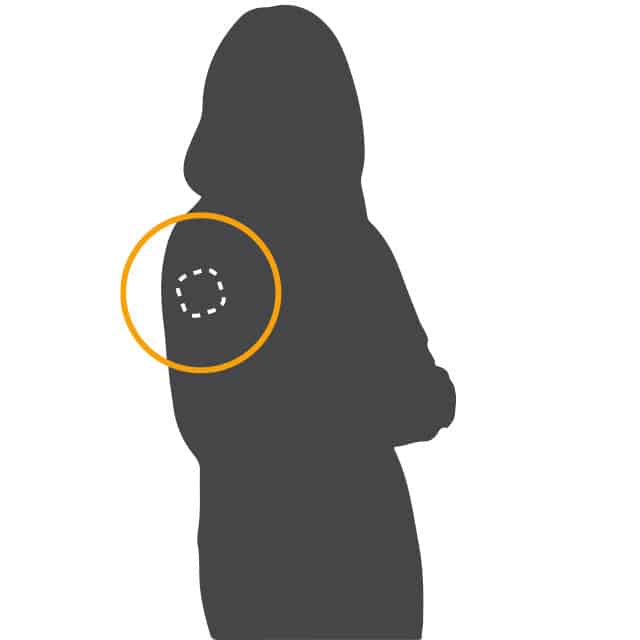
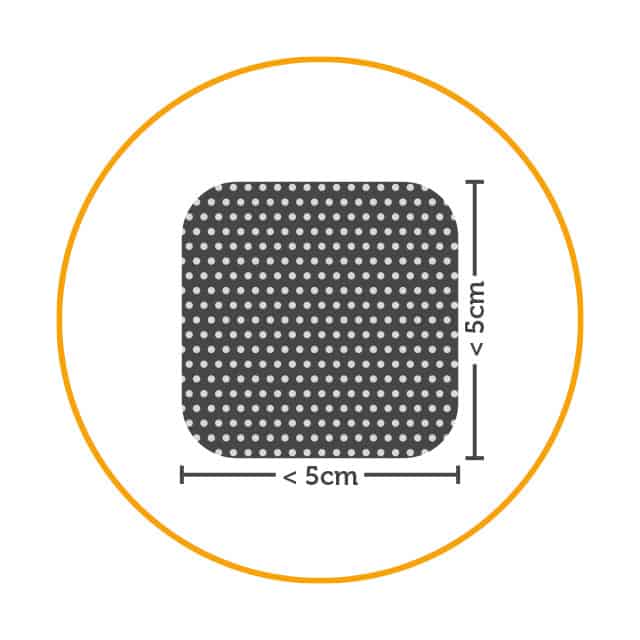
The contraceptive patch is a small light pink patch applied to the skin like a plaster. It is 5cm by 5cm in size and releases hormones oestrogen and progestogen through the skin that prevent pregnancy.
- You wear each patch for one week and change it every week for three weeks. You then have a patch-free week where you have a “withdrawal bleed” which is usually like a light period. You are still protected against pregnancy as long as your restart the next patch on time. You can also continue the patch if you do not wish to see a bleed each month.
Some key facts:
- The patch is typically 91% effective
- It protects against pregnancy but not sexually transmitted infections (STIs). To protect against STIs you will also need to use a barrier method of contraception, such as condoms
- You can wear the patch in the bath or swimming pool
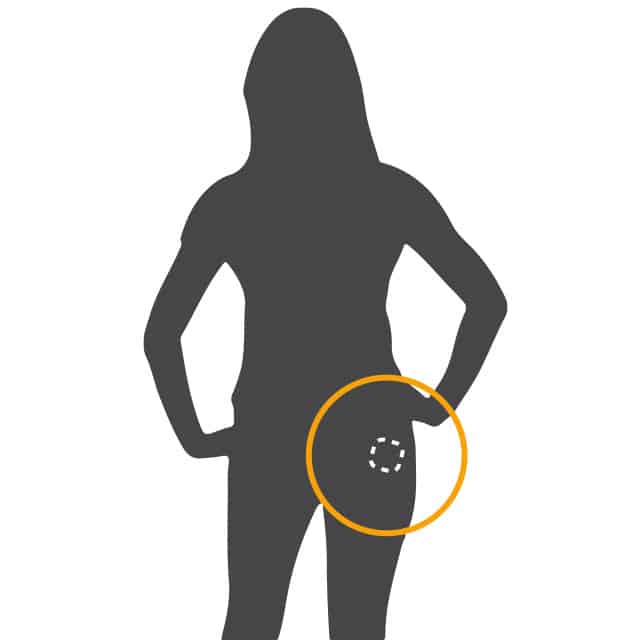
- You can put the patch anywhere on your body apart from your chest
- It can help with heavy periods and pre-menstrual syndrome (PMS)
- It can help with acne
- The patch is not affected by diarrhoea or vomiting because the hormones don’t need to be absorbed by the stomach
- Some medicines can affect how well the patch works
Contraceptives are available for free from Umbrella clinics, and your GP can prescribe contraceptives. For advice about missed or late patches, please see the contraception FAQs.
Not sure which type of contraception is right for you? Worried because you’ve had sex without a condom? Let us help you choose the right option.
For detailed information on the contraceptive patch, please see the NHS website.
See the FPA website for a range of downloadable leaflets on contraception.
Other short-acting methods
FREE STI kit
Take your own samples at home and return
them to us for testing, all for free…
Service locator
Need more help? Find local GPs, clinics and pharmacies to
provide further help and support…
Free condoms
Condoms are available for free from Umbrella
clinics and pharmacies, and from some GPs.